North Star Has an Updated Management Plan
Thanks to a community that helped create it
The Pitkin County Board of County Commissioners officially adopted the most recent North Star Nature Preserve Management Plan on March 25, 2026. With support from more than a dozen organizations and input from hundreds of community members, Pitkin County Open Space and Trails now has an updated roadmap for the short- and long-term stewardship of this important open space property. Read on for a look at how North Star came to be, what brought us to this moment, and what the plan means for the preserve’s future.
North Star’s Past
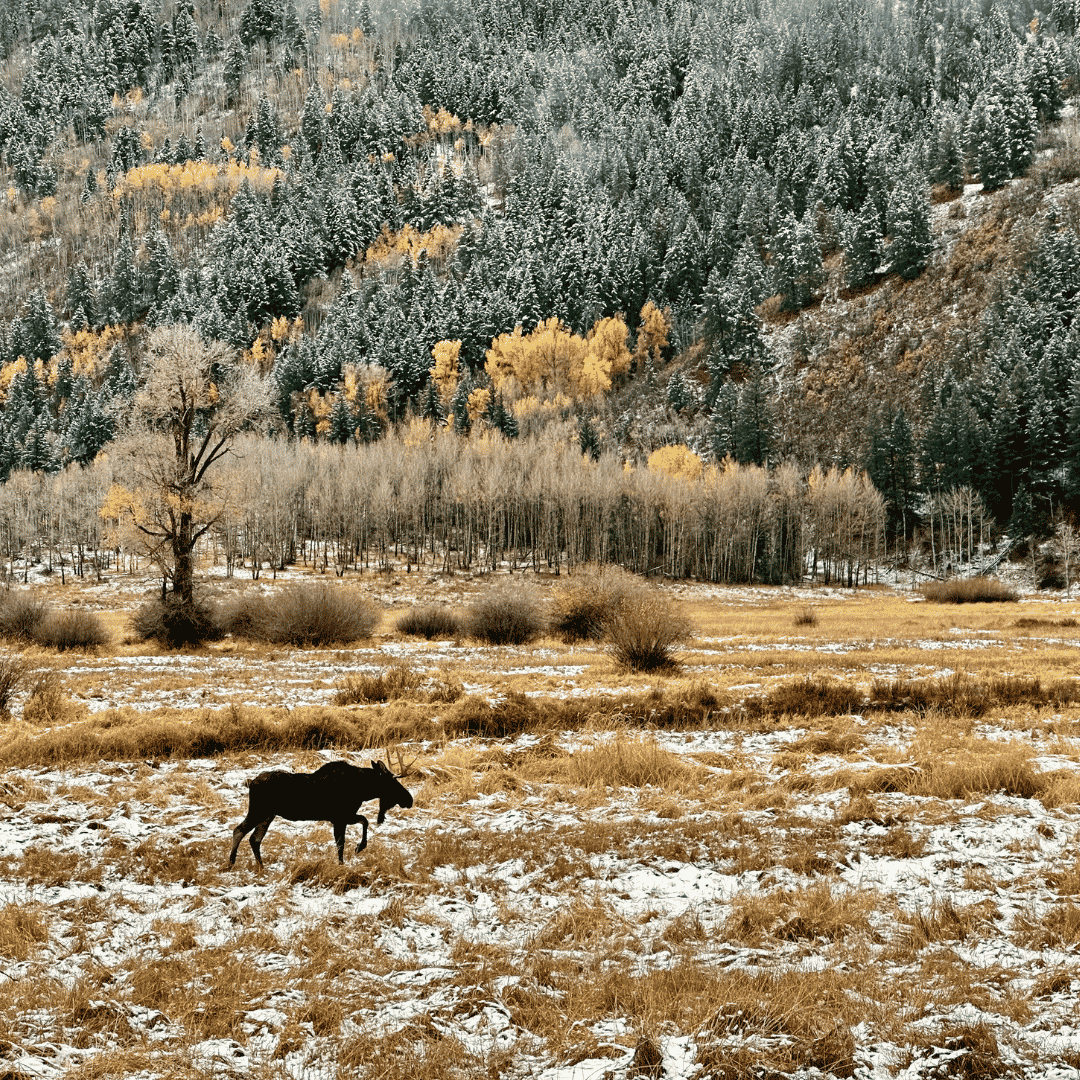
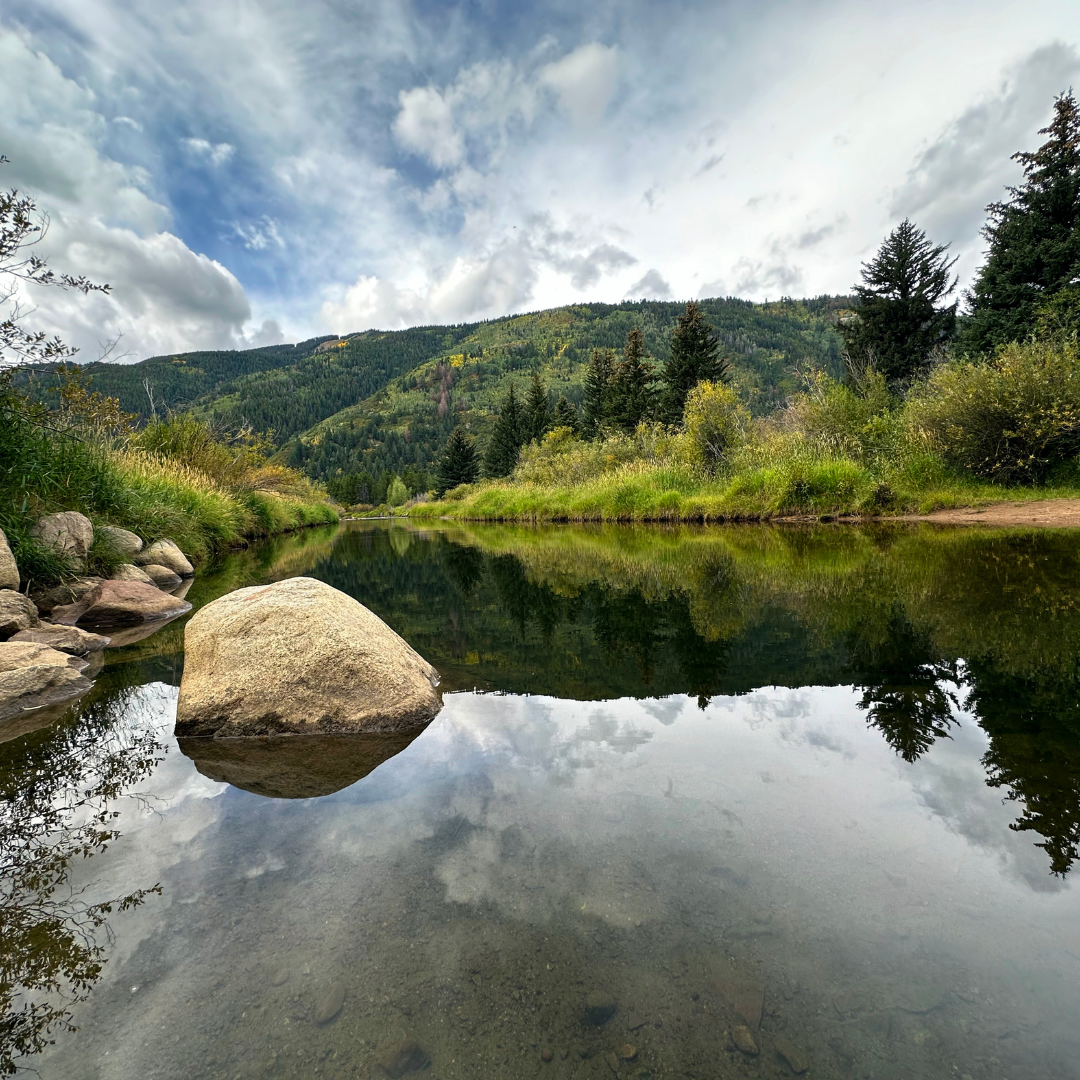
If you’ve ever glided down a quiet stretch of the Roaring Fork River on a paddleboard, heard the sawing of beaver teeth against bark, or spotted a moose wading through the willows on a morning run along the East of Aspen Trail, you likely already know North Star.
North Star Nature Preserve is a 248-acre bottomland formed by glacial activity during the Pleistocene Epoch, which ended about 11,000 years ago. Tucked just east of Aspen, where the Roaring Fork River slows to a meandering pace, it’s one of the most ecologically rich landscapes in the upper Roaring Fork Valley. Long before it was a nature preserve, locals called it “Stillwater”, a nod to the calm section of the otherwise “roaring” river. By the late 1800s, it was already a community gathering spot for fishing and ice skating. James H. Smith bought the land in 1949 and cleared and drained the wetlands for agricultural and ranching purposes. In the 1960s, development threatened North Star’s future; at one point, it was zoned for up to 1,500 homes. Thanks to a coalition of county officials and conservation organizations, including The Nature Conservancy and Aspen Center for Environmental Studies (ACES), Pitkin County acquired the first 170 acres in 1978, and the City of Aspen joined in 2001. Since 2000, Pitkin County Open Space and Trails has been North Star’s primary steward, and the management plan has been the guidebook.
The Complex Nature of Managing North Star
North Star isn’t just a pretty place. It hosts more than 192 plant species, at least 95 bird species, 12 mammal species, and a rare 14-acre fen wetland estimated to be about 8,000 years old. It’s an important elk migration corridor and nesting and foraging spot for resident and migratory birds. And, it’s a place where beavers are making a comeback, reshaping the landscape in beneficial ways.
For most of North Star’s history, recreation was low-key and largely unmonitored. Around 2010, floating on tubes and paddleboards arrived in the area. These inflatable vessels were affordable, portable, and easy to use. Annual river use rose to between 6,000 and 9,000 users, concentrated almost entirely in June, July, and August.
With that growth came challenges: parking congestion, trespassing due to popped tubes, unregulated commercial use, and, at times, a party-like atmosphere that did not feel like a nature preserve. In 2015, Open Space and Trails responded to this changing use at North Star to address the growing challenges. That included a coordinated commercial-permit system, ACES naturalists at the put-in, quiet zones, regulations, formalized parking, and a significantly increased ranger presence. Between 2015 and 2025, Open Space and Trails studied North Star carefully, adapted management based on what it learned, and conducted rewilding and restoration to improve ecological conditions.
A New Plan for the Future
Since the last North Star Management Plan was updated in 2020, new ecological and visitor-use data, as well as best practices, have become available. Beginning in 2024, Open Space and Trails brought together this research, community input, and new adaptive management strategies to inform the next chapter of North Star’s stewardship.
A series of working group meetings with multi-jurisdictional partners and community stakeholders, an open house, presentations to boards and commissions, and outreach to neighbors, commercial operators, agency partners, and hundreds of community members shaped the updated plan. A desired conditions statement guides the entire document and outlines the long-term vision for North Star. Five conservation values form the plan’s foundational pillars: biodiversity and ecosystem integrity; river system; riparian areas, wetlands, and beavers; wildlife and their habitats; and community.
Open Space and Trails heard clearly from those who cherish North Star’s ecological importance and have real concerns about noise, crowds, and commercialization. Those concerns shaped the plan’s emphasis on quiet, respectful recreation, strict commercial limits, and proactive management during peak-use. The plan reaffirms that 77% of the preserve remains closed to the public; experts and specialists repeatedly cited this as the most important and impactful management action at North Star. North Star will continue to welcome visitors, but conservation will lead the way.
Grounded in these conservation values and the community’s vision for North Star’s future, the plan builds on what has worked in the past while introducing new strategies to meet the challenges ahead. Here are five worth highlighting:
- Measurable thresholds, not guesswork. For the first time, the plan formally establishes specific, transparent indicators and thresholds that trigger a defined management response when they’re crossed. Indicators track river crowding, parking relative to capacity, and measurements of broad ecological health. When a threshold is exceeded, managers evaluate the cause and implement a response to keep North Star on track toward its desired conditions.
- Smarter management on busy days. Rather than restricting overall access, management energy is focused on the high-use periods when congestion at the put-in spikes and parking overflows. Real-time monitoring tools and proactive protocols help staff respond quickly. Updated signage and educational initiatives reinforce how visitor behavior, such as traveling in groups of six or fewer, arriving by alternative transport, and avoiding historically busy days, makes a difference. The goal is to create a seamless system of consistent, enforceable rules with strong community compliance.
- Beavers as ecosystem engineers. The plan formally embraces beavers as partners in North Star’s restoration. Beaver dams on Open Space and Trails property won’t be removed unless there’s a genuine infrastructure concern. When dams create an obstacle for river users, Open Space and Trails will provide clear portage guidance on the highway side to protect resources and preserve the west-side closure.
- Wildlife corridors are protected. North Star sits in the path of seasonal elk and deer migrations between Richmond Ridge and Smuggler Mountain. The plan prioritizes preserving and improving these corridors and uses the county’s land-use referral process to influence nearby development projects to minimize impacts on these animals’ movement.
- Getting ahead of aquatic invasive species. With New Zealand Mudsnails documented in the Roaring Fork River and Zebra Mussels present in the Colorado River, the threat of aquatic invasive species reaching North Star is real. The plan prioritizes proactive monitoring and a coordinated response to protect the river ecosystem before a problem takes hold. Floaters can do their part by cleaning, draining, and drying gear after every use.
North Star Belongs to This Community
The management plan was adopted; the beavers are building; the river is running; and the work continues.
The updated North Star Management Plan exists because hundreds of people showed up, filled out surveys, attended open houses, joined working groups, and shared what North Star means to them. That input directly shaped the plan. The desired conditions statement, the conservation values, the peak-use protocols, and the embrace of ecological restoration all reflect North Star’s importance in our community.
The work doesn’t stop here. North Star is a living landscape, and the plan is designed to adapt as conditions change. Open Space and Trails rangers will continue patrolling, scientists will continue monitoring the area, and the plan will be revisited and updated every five years. Open Space and Trails will also continue to ask for your support. Share your passion, care for this space, and remember the story of how North Star was and continues to be an extraordinary opportunity to connect with nature.
Learn more about North Star Nature Preserve and the updated management plan on our website.
-By Jami McMannes, Pitkin County Open Space and Trails